50 · Seasonal Calendar
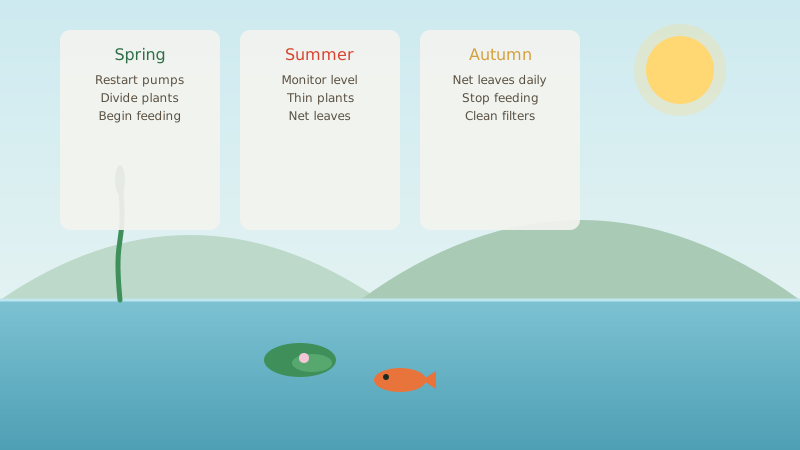
A pond is not a set-and-forget feature. Here is what to do, and when, across the year.
Spring (March–May)
- Cut back dead growth from last year; remove dead leaves and stems.
- Restart pumps and filters; clean mechanical media in pond water.
- Divide and repot overgrown marginals; top up baskets with fresh compost.
- Begin feeding fish once water stays above 10°C consistently.
- Check for frog spawn; leave it undisturbed.
- Top up dechlorinated water if evaporation dropped levels over winter.
Summer (June–August)
- Monitor water level daily in heat; top up as needed.
- Thin oxygenators if they crowd the surface; remove blanket weed by hand.
- Feed fish 2–3 times daily in warm weather; stop if water exceeds 28°C.
- Check pump flow; clean impellers if flow drops.
- Net leaves before they fall if trees overhang.
- Watch for algae bloom; add shade plants or reduce feeding.
Autumn (September–November)
- Net fallen leaves daily; decomposing leaves produce toxic gases.
- Reduce feeding as water cools; stop below 10°C.
- Cut back dead marginal foliage; leave some standing for overwintering insects.
- Clean filters thoroughly before winter shutdown.
- Move tropical plants indoors before first frost.
- Check liner edges; re-secure any frost-heaved sections.
Winter (December–February)
- Keep a hole in the ice (de-icer or float) for gas exchange.
- Never crack ice — the shockwave harms frogs and fish.
- Stop feeding entirely; fish metabolism is too slow to digest.
- Remove snow from ice to let light reach underwater plants.
- Inspect equipment; order replacement parts for spring.
Golden rule
The best time to fix a problem is before it becomes one. A 15-minute monthly walk-around catches 90% of issues early.
Monthly quick-check procedure
- January: Check ice hole is open. Inspect heater. Do not disturb dormant fish.
- February: Plan spring work. Order plants and filter media. Clean tools.
- March: Restart pumps gradually. Begin feeding at 10°C. Divide overgrown plants.
- April: Test water weekly. Add dechlorinator with top-ups. Check pump flow.
- May: Plant out new additions. Thin floating plants to maintain 50% open water.
- June: Monitor water level daily. Clean mechanical filter every 2 weeks.
- July: Peak algae risk. Run UVC 24/7. Reduce feeding in extreme heat.
- August: Net early-falling leaves. Check fish for parasites.
- September: Reduce feeding as water cools. Remove dying foliage.
- October: Net all leaves daily. Stop feeding below 10°C. Clean filters.
- November: Move pump to shallow end. Install heater. Cut back marginals.
- December: Monitor ice. Keep hole open. Resist the urge to tap the ice.
Seasonal budgeting
Most pond costs cluster in spring (plants, filter media, new pump) and autumn (net, heater, de-icer). Set aside 10–15% of the original build cost annually for maintenance.