51 · Fish Species Guide
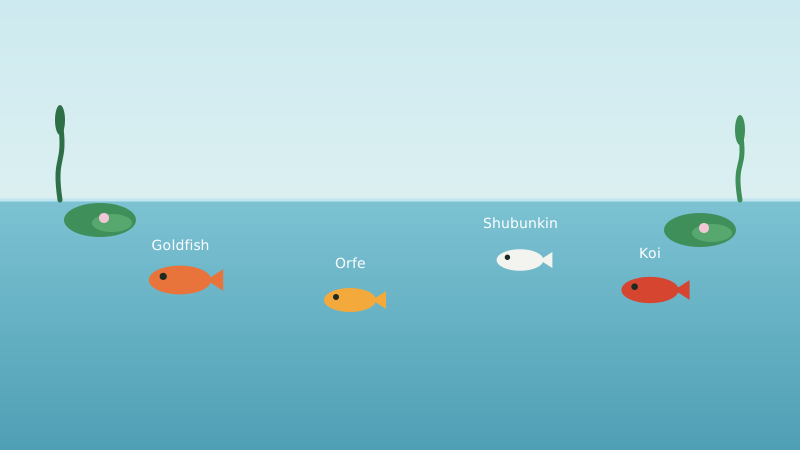
Not all pond fish are alike. Here are the best species for different pond types and climates.
Top pond fish at a glance
| Species | Max size | Min volume | Temp | Notes |
|---|---|---|---|---|
| Goldfish (common) | 25 cm | 200 L | 2–30°C | Hardy, cheap, good starter fish |
| Shubunkin | 30 cm | 500 L | 2–30°C | Calico pattern, active swimmer |
| Orfe / Ide | 40 cm | 2,000 L | 4–28°C | Sleek, schooling, surface feeder |
| Koi | 60 cm | 5,000 L | 2–30°C | Expensive, long-lived, uproot plants |
| Sterlet sturgeon | 90 cm | 10,000 L | 4–22°C | Bottom feeder, needs cold winters |
| Weather loach | 30 cm | 500 L | 2–28°C | Nocturnal, harmless, eats sludge |
| Minnow / Fathead | 8 cm | 100 L | 2–28°C | Small, social, good for wildlife ponds |
| Stickleback | 7 cm | 200 L | 2–22°C | Native, territorial, eats larvae |
| Golden orfe | 35 cm | 2,000 L | 4–28°C | Gold variant, very visible at surface |
| Pond sliders / turtles | 30 cm | 5,000 L | 10–30°C | Check legality; escape artists |
Stocking rules
- Start with 1 cm of fish per 10 litres of water as a maximum.
- Understock, not overstock — fish grow, waste accumulates.
- Quarantine all new fish for 2–4 weeks before introduction.
- Mix species carefully; aggressive fish harass shy ones.
Legal check
Some species (turtles, sterlet, certain catfish) require permits. Check your local wildlife authority before buying.
Species selection procedure
- Measure your pond volume and depth.
- Determine climate zone — some species cannot survive harsh winters without heaters.
- Check compatibility — koi eat large plants; goldfish are hardier but less spectacular.
- Stock gradually — 2–3 fish per 1,000 litres initially, then add more over months.
- Quarantine new arrivals for 2–4 weeks before adding to the main pond.
Do not mix koi and small fish
Koi will eat anything that fits in their mouth. Frogs, newts, and small fish are at risk in a koi pond. Keep species compatible.