58 · Pond & Wellbeing
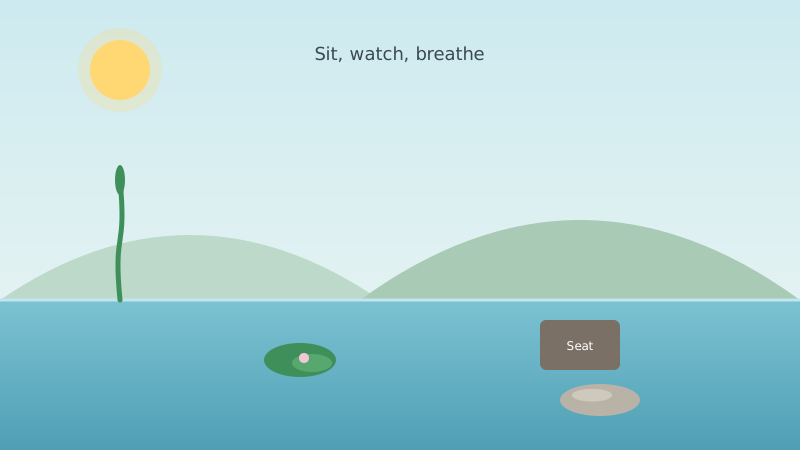
Water is hardwired to calm us. A pond is not just a garden feature — it is a therapeutic tool.
The science
Studies in environmental psychology consistently show that proximity to water reduces cortisol, lowers heart rate, and improves mood. The effect is strongest with still or gently moving water, natural edges, and visible life (fish, dragonflies, birds).
Sound
A small waterfall or rill provides broadband noise that masks traffic and neighbour sounds. The frequency range of falling water overlaps with the range the human brain finds most calming. A still pond provides silence, which is equally valuable in noisy areas.
Biophilic design
Biophilia — the human tendency to seek connection with nature — is why offices, hospitals, and care homes install aquariums. A pond outdoors amplifies this: it provides light (reflections), sound, movement, and life in one feature.
Therapy gardens
- Raised ponds bring water to seated height for wheelchair users.
- Warm-water ponds in sensory gardens allow hand immersion.
- Sound features (shishi-odoshi, rills) provide rhythmic, predictable noise that aids relaxation.
- Fish-keeping is used in occupational therapy for focus and routine.
Soundscape planning
Think of your pond as an instrument. Position water features to direct sound toward seating areas. Use stone surfaces for splashing; use deep pools for silence. Vary the flow rate seasonally — louder in summer when windows are open, gentler in winter.
- Position a seat where you can see and hear the water. Within 3 m of the pond edge.
- Create a path to the pond — the walk is part of the ritual.
- Add sound — a small fountain or waterfall creates white noise that masks traffic.
- Use fragrance — water mint, jasmine near the seat, or night-scented stock.
- Include wildlife — watching birds and dragonflies reduces cortisol levels.
- Keep it simple — cluttered gardens increase cognitive load. A clear view of the water is calming.
- Studies show 20 minutes near water reduces cortisol by 15–25%.
- The sound of flowing water activates the parasympathetic nervous system (rest and digest).
- Watching fish swim lowers heart rate and blood pressure.
- Gardening near water combines two evidence-based stress reducers: nature contact and physical activity.